Blog / Experiences
Daily life of Waplus Nara
💚~~Hello, this is Tea ceremony and Calligraphy shop Waplus Nara~~💚💗
We have received some questions from guests and we love that!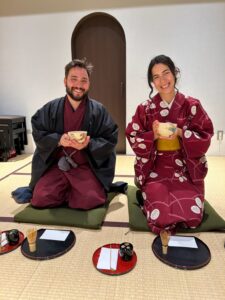
Today also we got it. They asked us “What is the Chabana in November? ” It is a good question.
We like that!
November is a beautiful time of year in Japan. The autumn leaves turn brilliant shades of red and gold, while the first signs of winter begin to appear.
In Japanese tea ceremony, great importance is placed on appreciating the changing seasons. Seasonal flowers are carefully arranged in the tea room to express the beauty of nature and welcome guests.
We will show you some of Chabana in November.
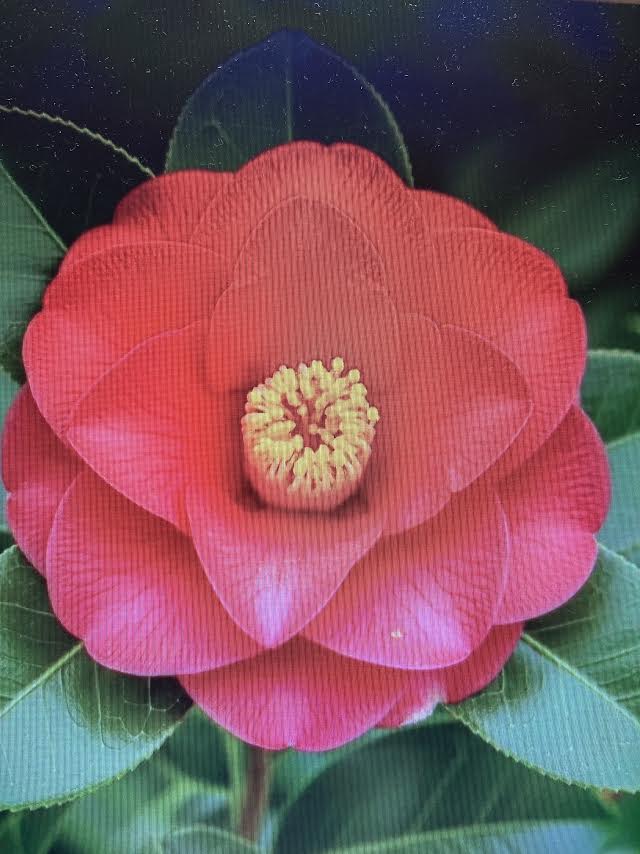
・Camellia (Tsubaki )
Camellias are among the flowers associated with the winter tea ceremony season, which begins in November.
Varieties such as Hatsu-arashi and Shiro-wabisuke are appreciated in traditional tea settings.
Rather than being admired for a showy appearance, camellias are often appreciated for their simple elegance, even when they are still in bud. Their graceful appearance brings a peaceful feeling to the tea room as winter approaches.
・Red Witch Hazel (Beni-mansaku )
This plant brings beautiful colors to the transition from autumn to winter.
Its reddish flowers and foliage evoke the rich colors of the late autumn landscape, adding a warm seasonal touch to the tearoom.
・Burning Bush (Nishikigi )
Nishikigi is known for its beautiful autumn foliage.
Its leaves turn brilliant shades of red, reminding us that autumn is gradually coming to an end.
One of the wonderful things about Chabana is that not only flowers, but also leaves and branches, can express the beauty of each season.
Did you know that November has a particularly special meaning in Japanese tea ceremony?
It is traditionally known as the beginning of a new tea season.
One important event is called Robiraki , or the opening of the sunken hearth.
During the warmer months, tea ceremonies are traditionally held using a portable brazier called a Furo. In November, the brazier is replaced by a sunken hearth built into the tatami floor, bringing warmth and comfort to the tea room during the colder months.
Another important tradition is Kuchikiri , which means “opening the tea jar.”
Fresh tea leaves harvested in early summer are stored in sealed tea jars. Around November, these jars are opened, marking a special moment to enjoy the new tea.
Because of these important traditions, November is often called the “New Year of Tea Practitioners.”
It is a time to welcome a new season and appreciate the precious gift of tea.
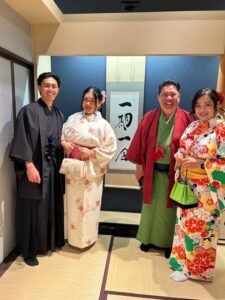
We hold three sessions daily at 10:00 AM, 1:00 PM, and 3:00 PM.
Why don’t you come and experience a beautiful tea ceremony?
We look forward to seeing you💚💗